
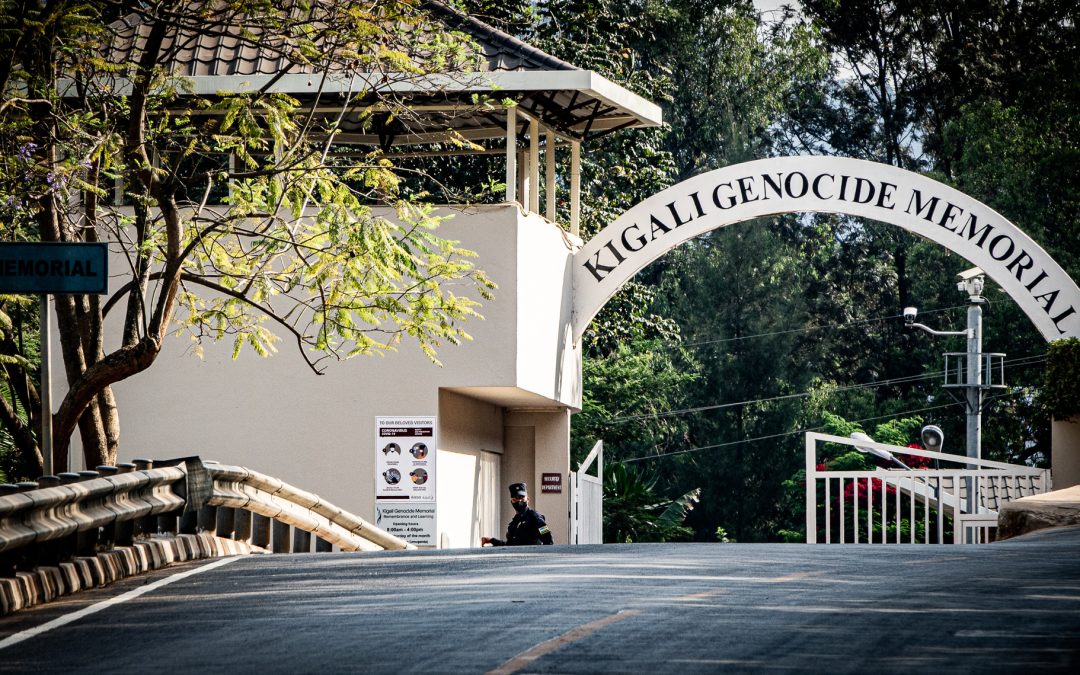
Nestled in the heart of Rwanda’s capital, the Kigali Genocide Memorial Center stands as a stark reminder of one of the most tragic episodes in human history. Established in 2004, on the 10th anniversary of the Rwandan genocide, this center serves not only as a memorial for the victims but also as an educational hub, enlightening visitors about the horrors of genocide and the importance of peace and reconciliation.
The Tragic History Behind the Memorial
The Rwandan genocide, which occurred in 1994, was a catastrophic event where over 800,000 Tutsi and moderate Hutu were systematically slaughtered in a span of just 100 days. This brutal massacre left the country and its people in a state of devastation. The Kigali Genocide Memorial Center was constructed on a site where over 250,000 victims are buried, making it a deeply significant location for survivors and the relatives of the deceased.
The Memorial’s Poignant Exhibits
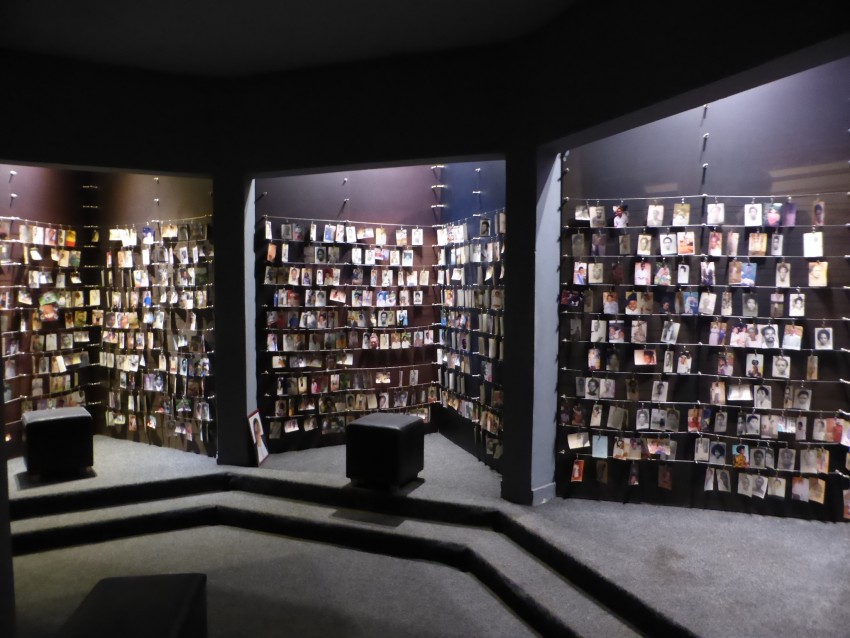
The center comprises various exhibits, each uniquely designed to tell the story of the genocide. One of the most heart-wrenching sections is the Children’s Room, dedicated to the young lives lost. This exhibit showcases photographs, personal belongings, and stories of children, reflecting the innocence that was brutally taken away.
Another significant exhibit is the Mass Graves area, a somber space where visitors can pay their respects to the vast number of lives lost. The Garden of Memory and the Wall of Names are also integral parts of the memorial, offering a place for reflection and remembrance.
Educational and Research Facilities
The Kigali Genocide Memorial Center is not only a place of remembrance but also an educational institution. It hosts a comprehensive documentation center and library, providing resources for research and education on genocide and its prevention. The center also conducts community outreach programs, aiming to educate the younger generations about the importance of peace and tolerance.
The Impact on Visitors
Visitors to the Kigali Genocide Memorial Center often describe their experience as deeply moving and transformative. The center not only pays homage to the victims but also educates on the causes, reality, and consequences of the genocide. It serves as a powerful reminder of the dangers of hatred and the importance of unity and forgiveness in the aftermath of such atrocities.
A Symbol of Hope and Resilience
Today, the Kigali Genocide Memorial Center stands as a symbol of Rwanda’s resilience and its commitment to peace and reconciliation. It reminds the world of the catastrophic consequences of division and hatred while also showcasing the country’s remarkable journey towards healing and rebuilding. The memorial is a poignant testament to the power of the human spirit to overcome even the darkest of times.
The Kigali Genocide Memorial Center is more than just a museum; it is a place of learning, reflection, and a beacon of hope for future generations. By remembering the past and educating the present, it aims to build a future where such tragedies are never repeated. The memorial is a must-visit for anyone seeking to understand the depths of human tragedy and the enduring strength of the human spirit.